



À partir de €272.00 (tax excl.)
Sold by sets of 2, the steel SanerBlock™ locking brackets offered by TECHNIKELEC® are fixed around the wheels. The wheels of dry or oil transformers are held in place by the SanerBlock™ to prevent their...

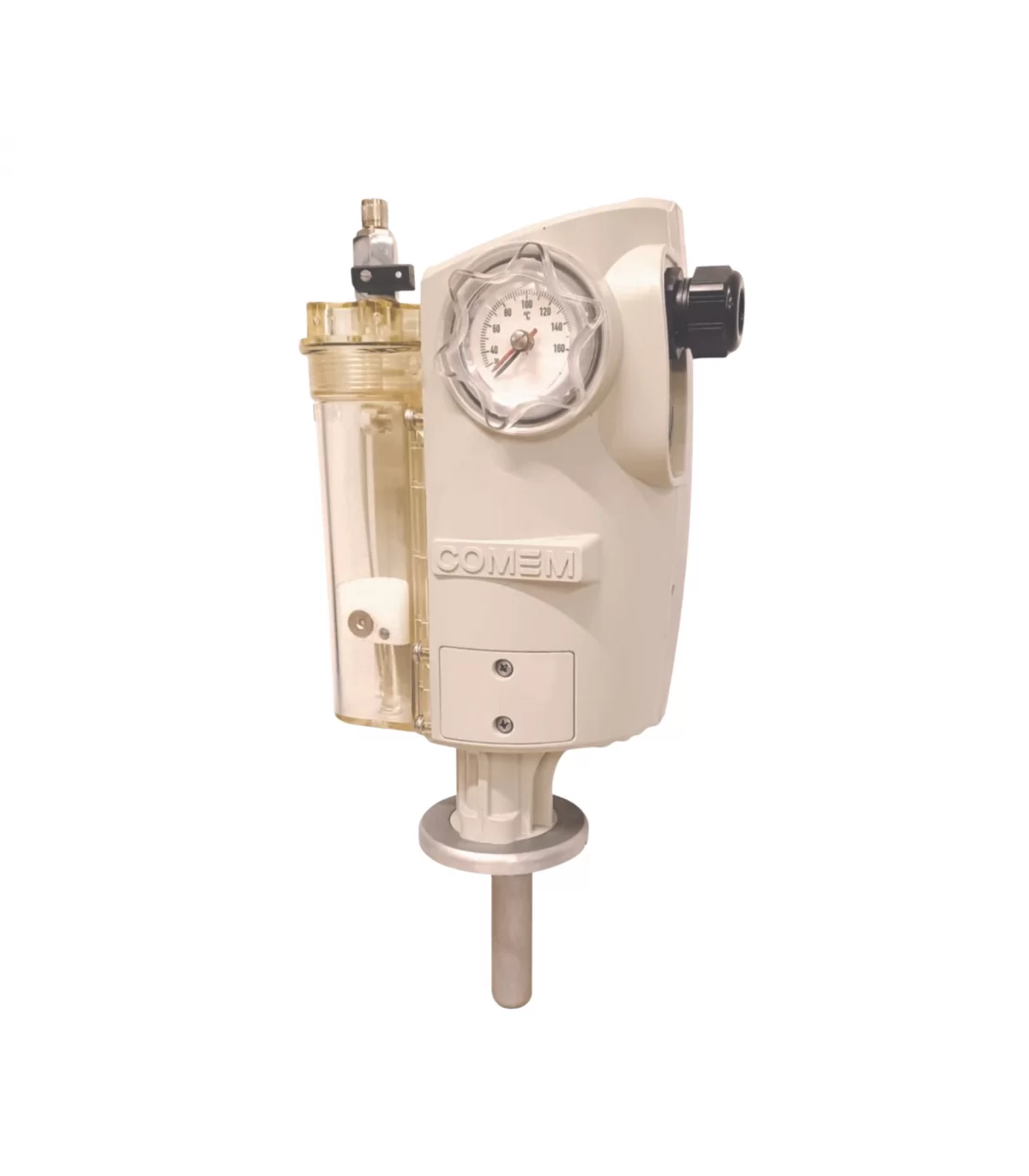
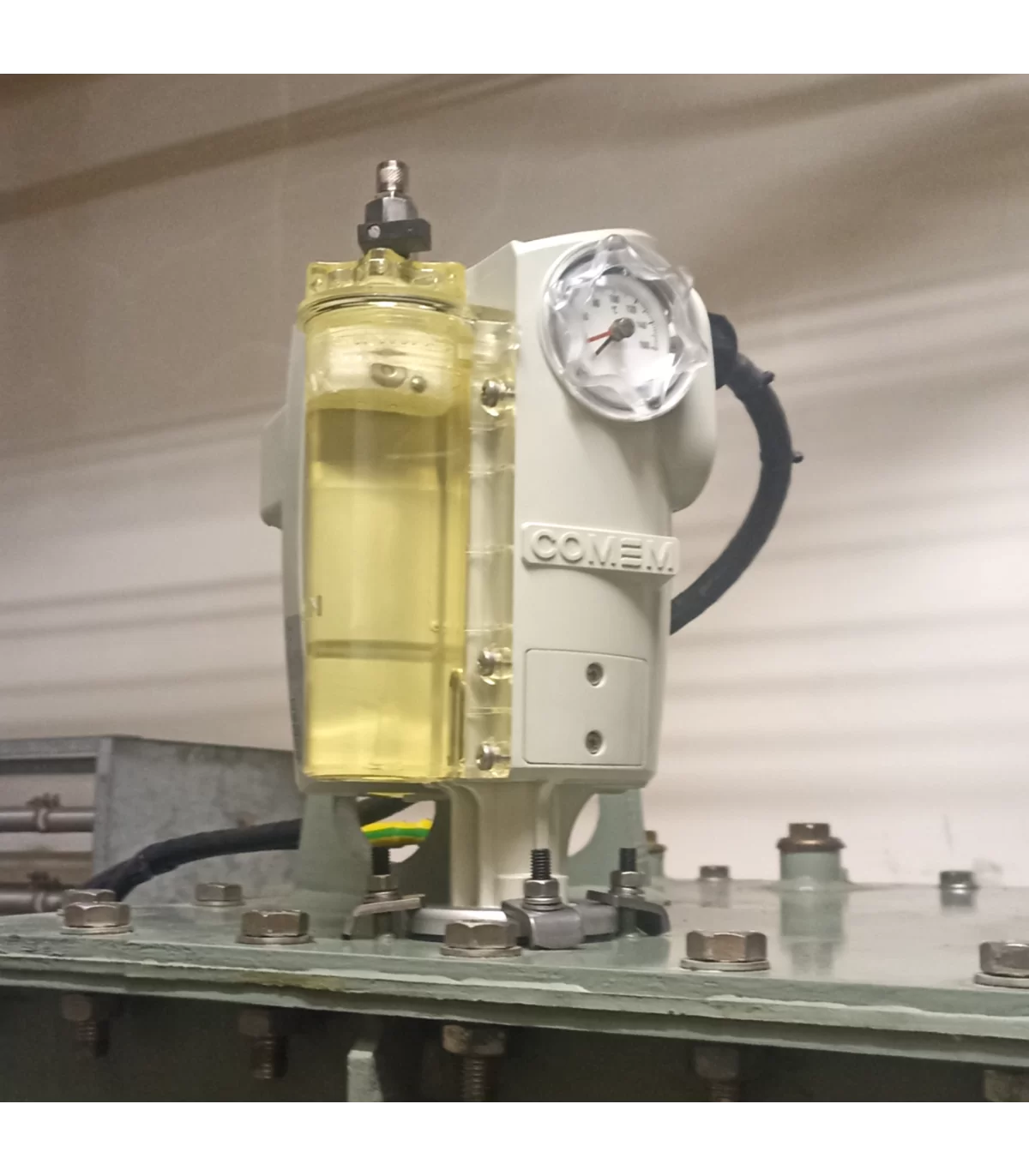
The RIS2 protection relay is a safety detector for distribution transformers. It's an essential accessory in the protection of your oil transformer. It allows continuous control of the pressure, temperature, oil level and gassing conditions.

Payment by bank transfer and credit card
 Delivery policy
(edit with the Customer Reassurance module)
The transformer is an essential link in the electrical distribution network. In the event of a transformer failure (major overload, internal damage, etc.), it is therefore necessary to protect the network upstream and downstream of the transformer, by means of monitoring (alarm/breakdown) integrated into the protection relays. They can detect Gas/Pressure/ Temperature), or de type DMCR (Detection, Measurement and Control Relay) or RIS2 (Integrated Safety Relay).
In order to ensure the proper functioning of the transformer, the RIS2 safety detector is the essential accessory for the protection of your oil transformer to ensure its correct operation. It consists of a robust, weatherproof plastic body with a series of instruments which continuously monitors the operating conditions.
Like the other relays, the RIS2 monitors tank PRESSURE from 100 to 500 mbar. This function measures the internal pressure of the transformer. When it exceeds a predefined level, the alarm circuit is triggered.
With its built-in thermometer, this relay indicates the internal oil TEMPERATURE and the maximum temperature reached in case of internal fault and overheating. It contains two thermostatic switches "T2" (ALARM) and "T1" (OFF) which are triggered at a predefined temperature.
The visual sensor indicates any change in gas or significant change in OIL LEVEL. This is indicated by the float position between "MIN" and "MAX". At significant oil or gas change, the float stops at "MIN" and opens/closes the alarm circuit.
In order to control the GAZING of the oil transformer triggered by small insulation failures, a sensor closes/opens a circuit when the maximum gas volume is reached (max. 170 cm3).
Please sign in first.
Sign in


 Français